Clean Labels Are Losing Meaning

– 3 min read


Brand-building is an infinite game.
Advantage is hard to come by. At least the sustainable kind.
First you work hard to be able to provide clean products, only to find yourself in the same game with most of your competitors. What was first an advantage turns into a hygiene factor, and ticket to entry in the category.
“Clean” is everywhere. But in today’s world, clean labels don’t create preference anymore.
“No sugar”, “no additives”, “no preservatives”.
It’s the gold standard now.
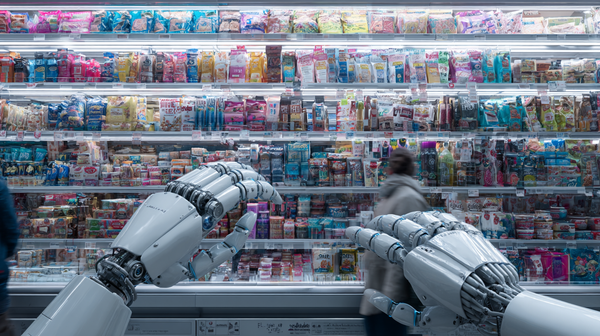
Walk down any aisle and you’ll find it plastered on nearly every product. Clean, pure, free from anything “bad”.
What was once a differentiator is now the bare minimum.
Consumers expect it.
But here’s the catch: expectation isn’t desire.
Clean labels have become so ubiquitous that they no longer mean anything.
They’re just… safe.
Consumers don’t buy absence — they buy meaning.
The truth is, clean labels aren’t enough to capture attention. In a market flooded with “better-for-you” claims, brands need to stand for something that cuts deeper than just “no bad stuff”.
Consumers want a brand that reflects who they are, not just what they consume.
The brands that thrive today are those that can tie their products to a larger cultural relevance, values they believe in, and stories that resonate with people on a personal level. That’s what creates loyalty. Not just avoiding sugar or preservatives.
Clean is no longer revolutionary — it’s just standard.
So, what’s the mistake brands are making?
They stop at clean.
They use “no artificial anything” as a shield, not realizing that this is the baseline now, not a badge of honor.
It’s a trap many brands fall into: competing on what’s “not in the product” rather than what’s meaningfully in it.
You’re left with a label that says “we’re good”, but doesn’t say anything about the purpose of the brand.
Winning brands are the ones who go deeper than clean. They’re not just telling you what they’ve removed — they’re showing you what they stand for.
This takes a real commitment. It means brands need to:
This is the real magic. The ones who do this earn preference.
When you show up with a message that resonates with your audience — something that truly matters to them — you create true differentiation.
Meaning is what makes consumers stick. It’s what makes a product more than just a commodity.
In the age of clean labels, boldness wins.
Clean labels will get your product to the shelf.
Meaning will get it chosen.
Brands need to go beyond “no bad stuff” and show consumers what good looks like in a way that resonates with who they are.
That’s the future. Not just clean. But meaningfully clean.
--
Original Minds® is focuses on helping companies grow by becoming the most relevant choice. We look at the factors affecting choice and relevance and provide intelligence and strategy to accelerate growth.