Type
Macro Trend
Category
Retail & Branding / Europe, UK & Ireland
In Brief – When Cheap Became Clever
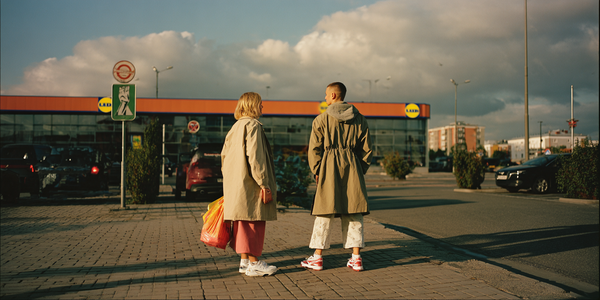
The discount store has gone from shame aisle to style icon. In 2026, “budget chic” defines a new aesthetic where affordability meets aspiration. Aldi, Lidl, and B&M aren’t just bargain bins anymore—they’re cultural statements. As inflation reshapes taste, consumers have elevated smart spending into an identity. The new luxury? Making frugality look fashionable. Challenger brands that design for pride, not pity, will own this cultural realignment.
Signal – What’s Happening Now
- Lidl UK and Aldi Ireland are growing market share faster than any premium grocer, now accounting for 20%+ of all grocery spend.
- Both chains have launched upscale design collaborations, wine cellars, and “special buys” that rival mid-tier lifestyle brands.
- Social media trends like #AldiFinds and #LidlLuxury (over 1B combined views) celebrate bargain hunting as modern self-expression.
- European consumers increasingly describe their grocery habits as “smart shopping” rather than “saving money.”
- In the UK, discount retail brands are outperforming legacy mid-market retailers in brand trust and design perception (YouGov, 2025).
- Discount chains are now the top retail sponsors for sustainability campaigns and community programs—flipping the “cheap = careless” narrative.
Relevance – Why It Matters
Inflation has permanently altered what “value” means.
Consumers aren’t ashamed to buy cheap—they’re proud of it.
“Budget” used to signal necessity; now it signals intelligence.
This cultural inversion forces every brand to rethink how pricing, aesthetics, and emotion interact. The winners won’t compete on low prices alone—they’ll make affordability feel aspirational. This is not a race to the bottom. It’s a rebrand of the bottom itself.
Insight – What It Means
- Design is the new discount. When packaging looks premium, consumers reframe cheap as smart.
- The middle is the dead zone. Consumers either trade up emotionally or trade down logically—there’s no room left for mediocrity.
- Social currency is thrift. Gen Z treats price hacking like status hacking—bragging about “getting the same thing for less.”
- Authenticity beats aspiration. Brands that look too polished risk losing relatability. Consumers trust imperfection more than gloss.
Shift – What’s Changing
From embarrassment → empowerment.
The discount aisle has become a site of cultural creativity, not compromise.
Where old luxury whispered exclusivity, new value shouts ingenuity.
“Budget chic” isn’t about poverty—it’s about control. It’s the consumer saying: I choose this because I know better.
Opportunities – Where to Build Advantage
1. Design for Democratic Desire
Make cheap feel charming, not compromising.
- Strategist Position around “value with taste”—aspirational design for real people.
- Creative Director Build campaigns that celebrate thrift pride (“Good taste, smart spend”).
- Design Director Use minimalist elegance and confident color palettes—cheap shouldn’t look desperate.
- Copywriter Confident wit: “It’s not cheap. It’s genius.”
- Insights Study semiotics of pride and modesty in design.
- Strategy & Brand Blur the lines between high and low culture—make affordability sexy.
- Marketing & Comms Spotlight consumers as smart heroes, not survivors.
- Offering & Innovation Create affordable-luxury capsule ranges or “Design Collab” editions.
2. Rebrand the Discount Experience
Transform stores into playgrounds of discovery.
- Strategist Position the store visit as an adventure, not an errand.
- Creative Director Use sensory branding—music, lighting, and humor—to elevate the vibe.
- Design Director Apply lifestyle storytelling to in-store visuals (e.g. “Your €3 dinner, Michelin-approved”).
- Copywriter Conversational tone: “You came for milk. You left with magic.”
- Insights Shoppers crave surprise and narrative, even in discount environments.
- Strategy & Brand Build experience-first identities, not transactional ones.
- Marketing & Comms Treat in-store merchandising like content—seasonal, story-led, photogenic.
- Offering & Innovation Introduce “weekly drops” or rotating designer collaborations.
3. Build the Anti-Luxury Luxury Brand
Lean into simplicity, honesty, and radical fairness as status signals.
- Strategist Frame transparency as the new prestige—every euro accounted for.
- Creative Director Craft brand storytelling around honesty: “We spend less so you can too.”
- Design Director Visual restraint—plain typography, raw materials, utilitarian confidence.
- Copywriter Tone of clarity: “Luxury is knowing you didn’t overpay.”
- Insights Consumers equate ethical simplicity with intelligence.
- Strategy & Brand Position affordability as a moral good, not a market tactic.
- Marketing & Comms Use comparisons that expose overpricing (“Why pay €9 for the same oats?”).
- Offering & Innovation Create “true price” or “cost transparency” product ranges.
The Bottom Line
Luxury taught consumers how to dream.
Inflation taught them how to think.
“Budget chic” merges both—beauty, intelligence, and restraint.
In 2026, price isn’t the enemy of brand—it’s the new language of it.
Style now starts in the discount aisle.