The Longevity Economy: The Age of the Ageless
– 5 min read


How a 100-Year Life Will Rewrite Business, Design, and Desire
The 20th century promised a longer life.
The 21st is demanding we design one worth living.
Longevity is no longer a medical milestone — it’s a market revolution.
By 2030, over one in five people in the developed world will be 60 or older. Yet this is not a story about “old people.” It’s a story about the first ageless generation — a cohort living, consuming, and working across timelines that previous generations never imagined.
Healthspan, not lifespan, has become the new measure of progress. And that shift is transforming everything from product design to policy, from finance to fashion. The biggest growth opportunity of the next decade isn’t youth — it’s the reinvention of aging.
The question for brands and innovators is no longer “How do we serve seniors?” but “How do we design for longevity as a lifestyle?”
Health / Wellness / Economy / Design / Society
Region: Global (Europe, US, Japan, Nordics)
Topic: Longevity Economy, Silver Market, Healthspan Innovation
We are living through the first demographic revolution that feels more like a cultural one.
Humans aren’t just living longer — they’re living differently.
Average life expectancy in the OECD is now over 82. In Japan, it’s 85. In Sweden, centenarians have quadrupled in two decades. In the U.S., nearly half of Millennials are expected to live past 90. That’s not just more time — it’s an entirely new stage of life to fill with meaning, consumption, and contribution.
The problem is that our systems — economic, educational, and social — were never built for it.
We designed life as a three-act play: education → work → retirement.
Now it’s a Netflix series with multiple seasons, plot twists, and reboots.
This collapse of the linear life model is colliding with a massive wealth transfer.
By 2035, Baby Boomers will pass down over $90 trillion globally — the largest intergenerational capital shift in human history. That money will fund not just inheritance, but reinvention: encore careers, longevity travel, regenerative health tech, and hybrid living.
Yet business still treats “aging” as a decline curve.
The result? A trillion-dollar blind spot hiding in plain sight.
Longevity isn’t a niche. It’s the future mainstream.
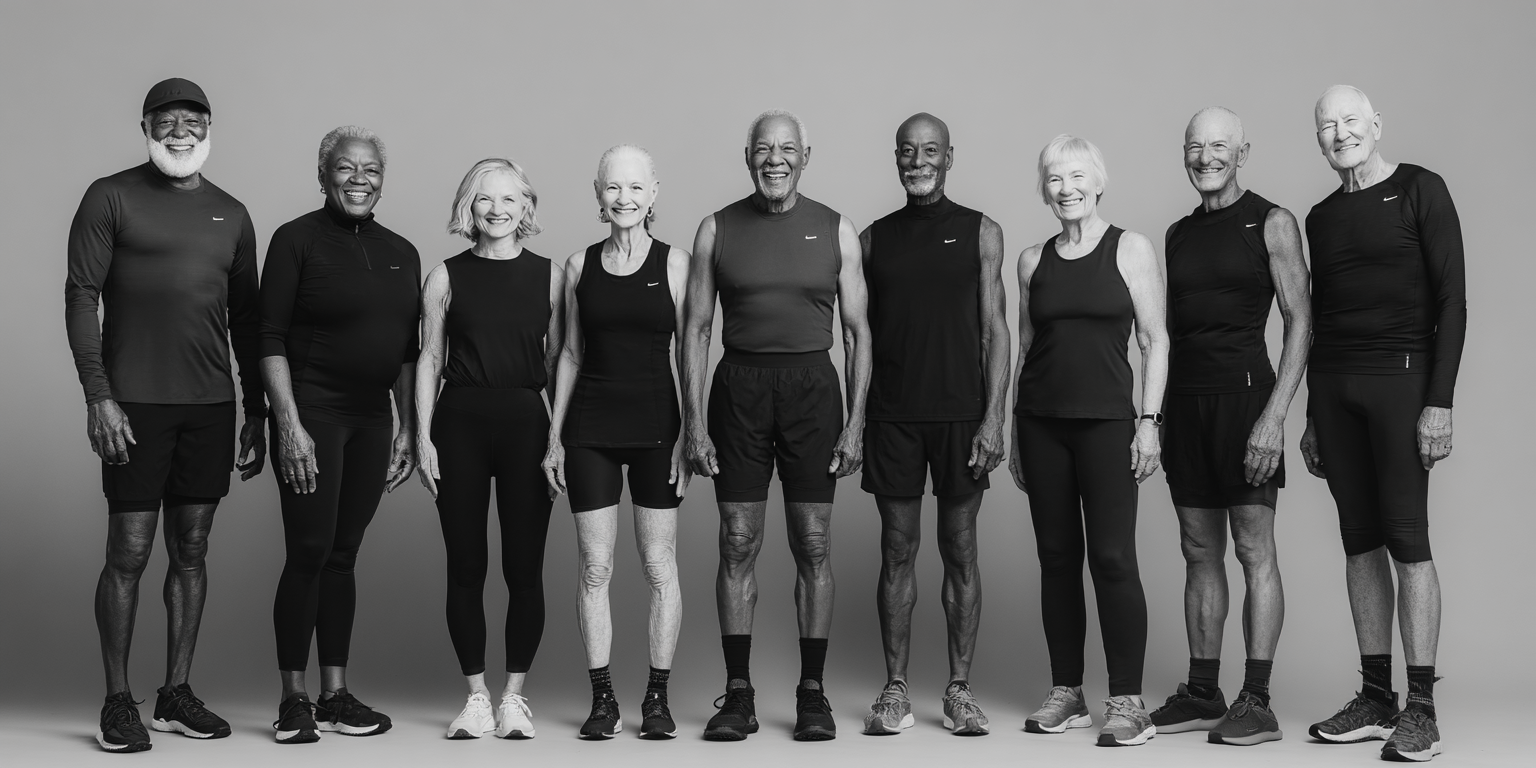
Longevity is not about medicine; it’s about modernization.
Every assumption about markets — from who spends to what matters — is being rewritten by the physics of age.
For decades, brands have pursued youth because youth defined aspiration.
That mental model is now obsolete.
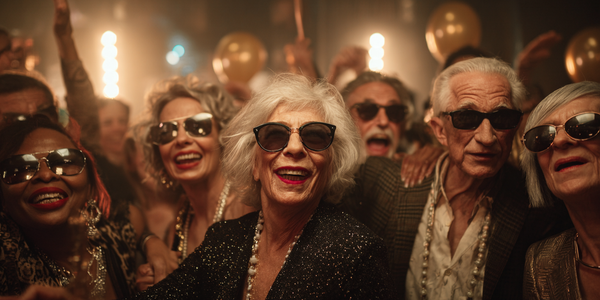
The 60-year-old consumer is not retiring; she’s launching her next act, building a wellness stack, investing in regenerative living, and mentoring Gen Z founders on LinkedIn.
We’ve entered a world where biological age is negotiable and identity age is optional.
People are living longer, looking younger, and feeling culturally relevant longer. The new competitive advantage isn’t youth — it’s vitality.
For strategists and innovators, this means rethinking the customer lifecycle entirely.
Loyalty is no longer a 10-year arc; it’s a 50-year journey.

The Longevity Economy isn’t about aging — it’s about continuity.
It’s the fusion of health, wealth, and purpose into a single economic engine.
In the same way that the green economy redefined sustainability as growth, the longevity economy reframes age as advancement. The central human desire has shifted from more years to better years.
This creates an emotional paradigm shift:
The commercial implications are enormous.
Brands that once fought for 18–35-year-olds must now design ecosystems that stretch across decades — products that adapt, evolve, and age with their users.
The fashion of the future isn’t “forever young” — it’s “forever relevant.”
And culturally, we’re watching something profound:
Age is no longer a stage. It’s a style.
We are moving from anti-aging to pro-living.
From “don’t grow old” to “don’t stop growing.”
The biggest shift of all:
Age is ceasing to be a liability — and becoming a brand asset.
Build products and brands that promise quality of life, not just quantity.
The future is family — redefined and recombined.
Time is the new status symbol — and longevity is the ultimate flex.
The future doesn’t belong to the young.
It belongs to the vital.
As health, technology, and culture converge, we are entering an era where age no longer defines us — agency does. The century ahead won’t be measured by how long we live, but by how well we design for those who will.
Longevity isn’t a medical trend. It’s a design revolution — the redesign of human life itself.
And for those who see it early, it’s the growth story of the century.